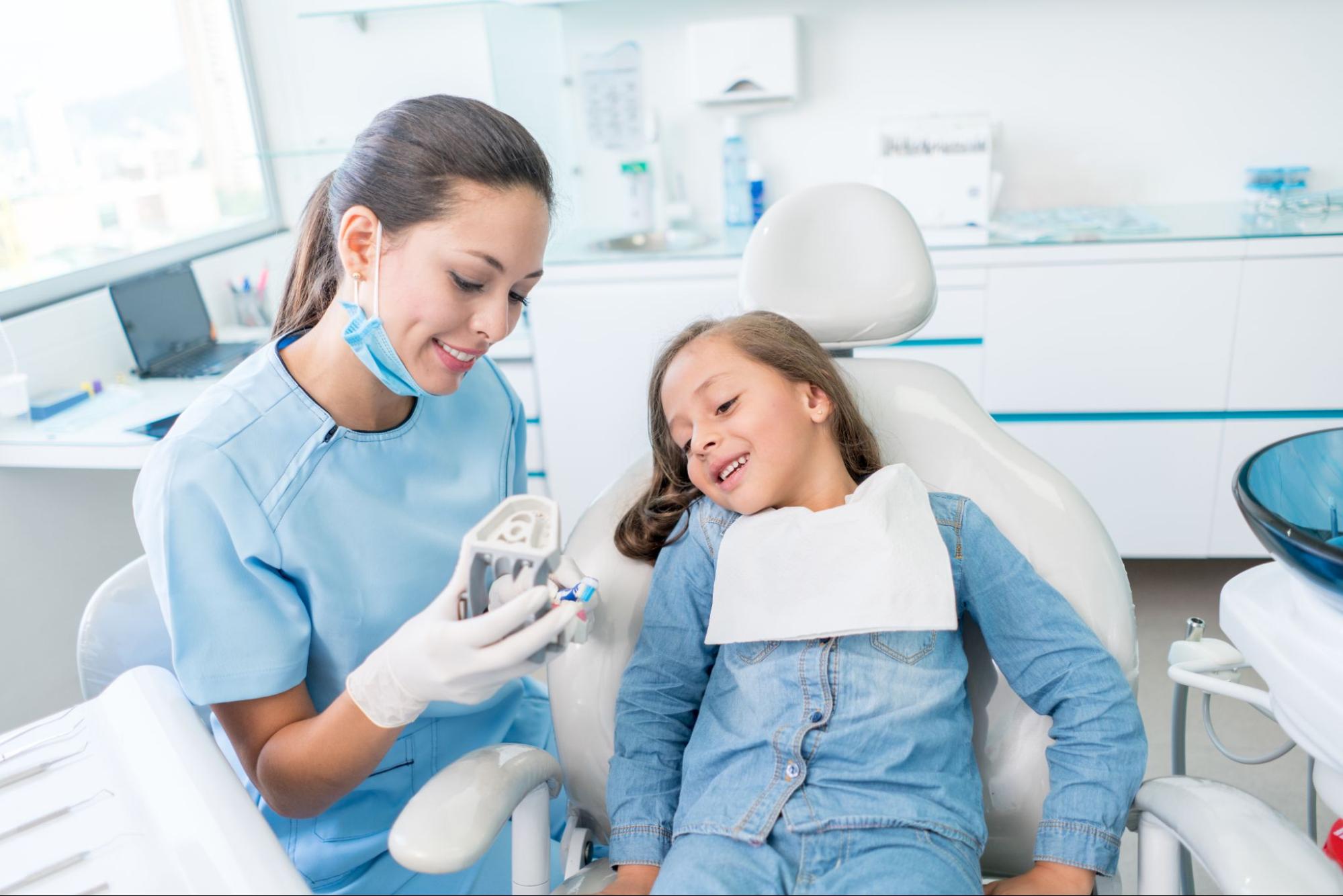
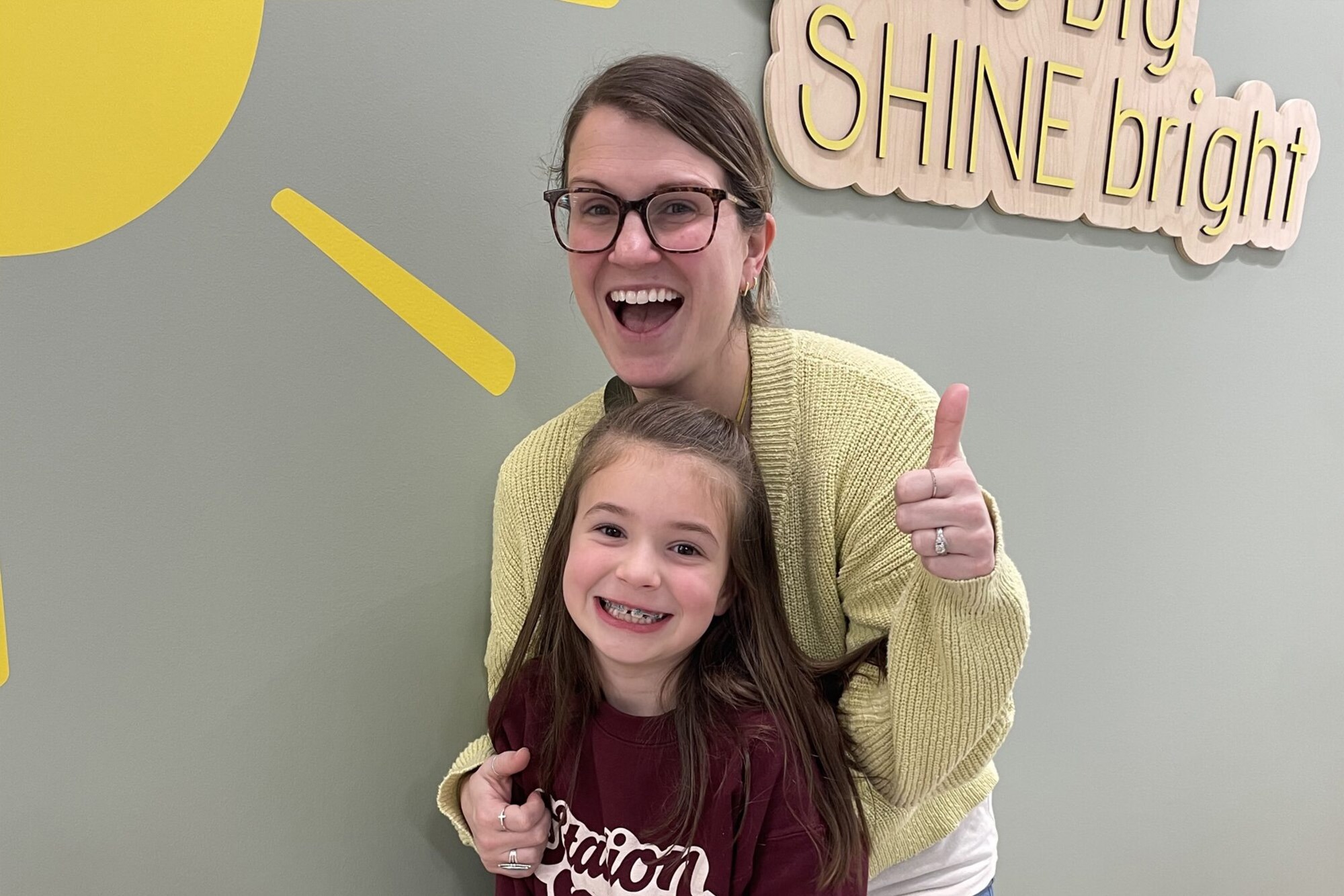
When families compare WildSmiles vs. traditional metal braces, the mechanics turn out to be identical: both use brackets, archwires, and elastic ties to make your smile shine. The real difference comes down to bracket shape and how excited your child feels about wearing them. Kids notice the shapes first. Parents usually ask about daily care, comfort, and how long treatment runs.
What Are WildSmiles Braces and Traditional Metal Braces?
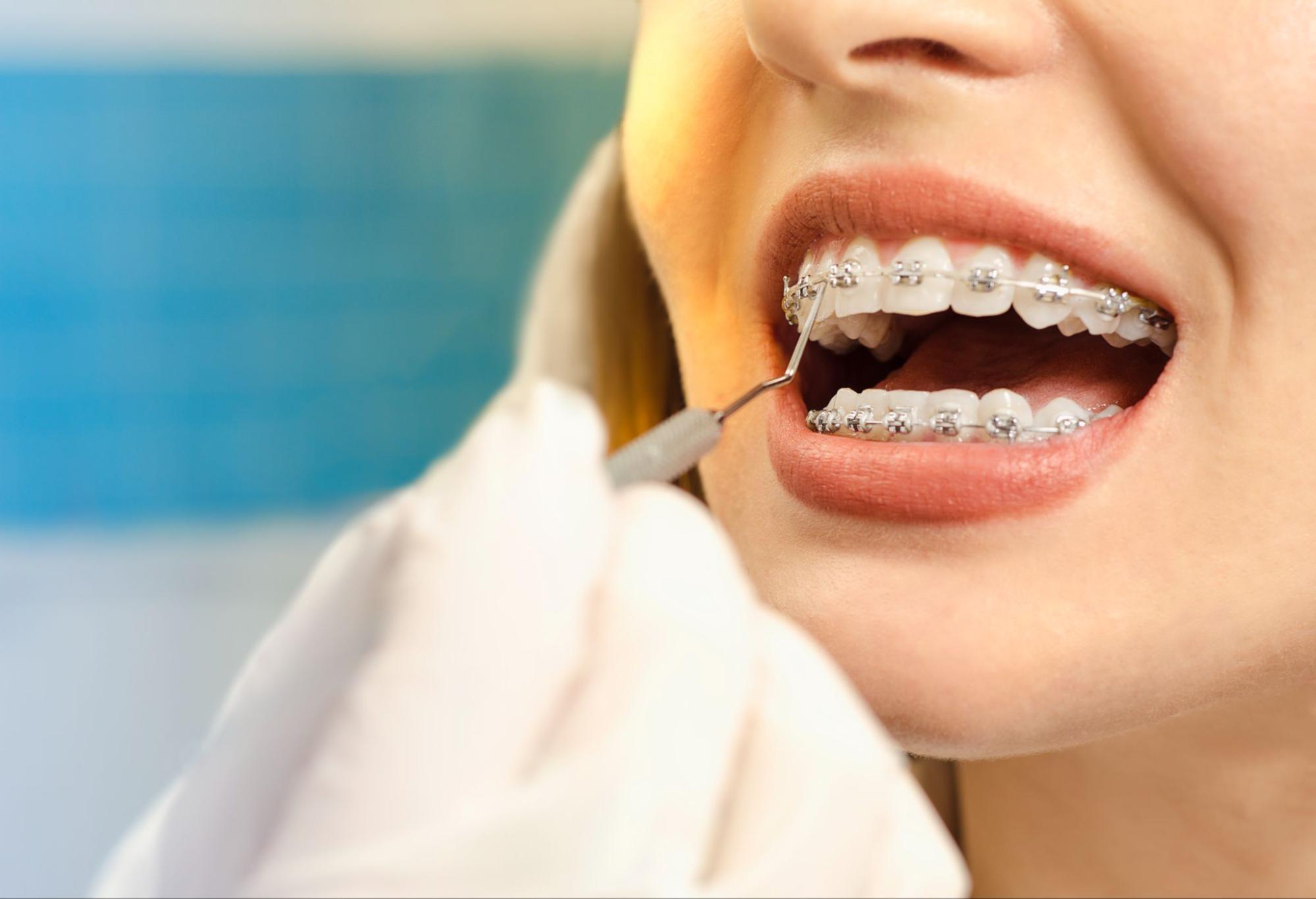
WildSmiles are stainless steel brackets shaped like stars, hearts, footballs, diamonds, and flowers, manufactured to meet FDA and ISO quality standards. Traditional metal braces use standard square or rectangular stainless steel brackets. Both bond to the teeth and move them with archwires and elastic ties, so the difference is bracket design, not a different treatment system.
This part surprises a lot of parents: WildSmiles is a bracket design brand. It isn’t a separate technology or a shortcut. The brackets are made from the same medical-grade stainless steel used in standard braces, and they attach with the same dental adhesive. Ask any orthodontic team and you’ll hear the same answer: the shape is cosmetic, and the tooth movement is pure physics.
Metal braces have been refined for decades. Today’s brackets are smaller, lighter, and smoother than the ones you may remember from your own school photos.
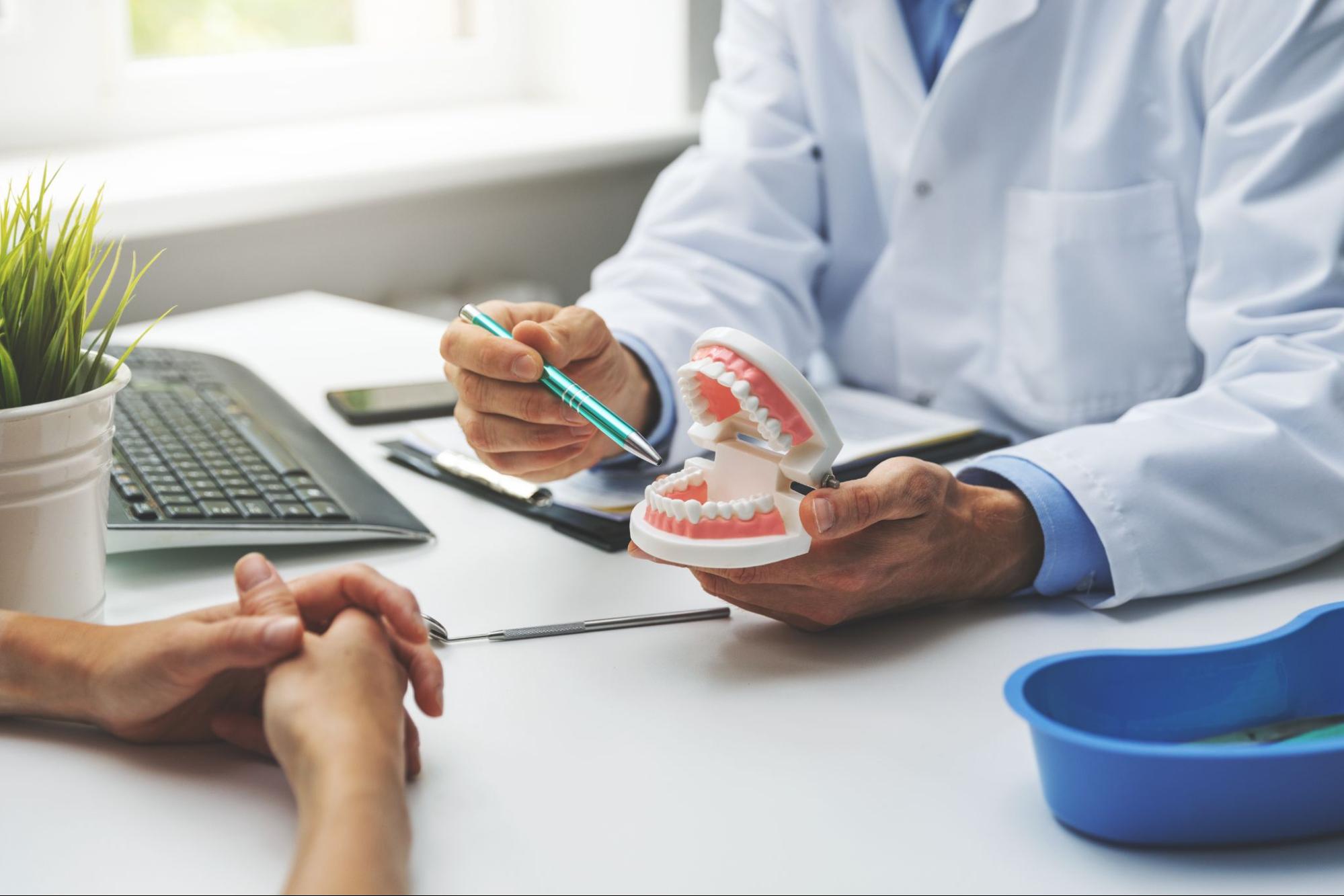
At Shine Pediatric Dentistry & Orthodontics, we offer both. Dr. Michael Seelig, DMD, MS, our orthodontic specialist, walks families through each option during a free orthodontic consultation so kids get a say in how their braces look.
How Each Type of Braces Works
Both WildSmiles and metal braces follow the same five stages: exam and digital records, bracket bonding, archwire placement, adjustments every 4 to 8 weeks, then removal and a retainer. The mechanics are identical for both bracket styles, so the plan Dr. Michael Seelig builds doesn’t change based on the shape your child picks.
- Exam and digital records. Dr. Mike reviews your child’s bite, takes digital images and X-rays, and maps where each tooth sits. This is where crowding, spacing, and bite issues get identified.
- Bracket bonding. Each bracket gets bonded to a tooth with dental adhesive. Your child chooses standard brackets or WildSmiles shapes before this step, and shapes can be mixed across different teeth.
- Archwire placement. A thin archwire runs through the brackets and gets held in place with colored or clear elastic ties. The wire applies gentle, steady pressure to guide teeth into position.
- Adjustments every 4 to 8 weeks. Dr. Mike changes the wire, checks progress, and swaps elastic colors. These visits are quick and give kids a chance to switch up their look.
- Removal and retainer. Once teeth reach their finished positions, the brackets come off and a retainer keeps everything stable.
Shape has no effect on how the wire works. A star-shaped bracket and a square bracket both hold the archwire the same way, which means treatment timelines depend on the case, not the design.
Benefits of WildSmiles vs. Benefits of Traditional Metal Braces
Each option has real strengths. Here’s how they compare in day-to-day life.
What families like about WildSmiles:
- Kids pick their own shapes, which turns a nervous appointment into something they look forward to.
- Picking their own brackets builds cooperation. When a child feels invested, brushing reminders and food rules go over better.
- Mix-and-match shapes plus elastic colors let kids show personality at every visit. Footballs during the season, hearts in February, flowers in spring.
- WildSmiles brackets have pads that extend beyond the tie-wings, so plaque tends to collect on the pad instead of the tooth surface.
- Kids who can see their brackets clearly are often more motivated to keep them clean.
What families like about traditional metal braces:
- The lowest-profile bracket shape available in a fixed appliance.
- The most familiar and widely available option, with a long track record.
- A low-key look that some older kids and teens prefer.
What both options share:
- Strong results for complex crowding, spacing, and bite correction while a child is still growing.
- No compliance worries. Fixed appliances can’t be forgotten in a lunchbox or left at a friend’s house.
- The same appointment rhythm, the same care routine, and the same finish line.
WildSmiles vs. Traditional Metal Braces: Side-by-Side Comparison
| Feature | WildSmiles | Traditional Metal Braces |
|---|---|---|
| Bracket appearance | Stars, hearts, footballs, diamonds, flowers | Standard square or rectangular |
| Materials | Medical-grade stainless steel | Medical-grade stainless steel |
| Treatment time | Typically 12 to 24 months, based on the case | Typically 12 to 24 months, based on the case |
| Comfort | Mild soreness after adjustments; some shapes sit slightly larger in profile | Mild soreness after adjustments; smallest profile |
| Daily care | Brush after meals, floss with threaders, skip hard and sticky foods | Brush after meals, floss with threaders, skip hard and sticky foods |
| Best fit | Kids who want self-expression or need extra motivation | Kids who prefer a subtle, low-key look |
Since both systems use stainless steel and the same archwire mechanics, they work equally well. Treatment length is driven by how much movement your child’s teeth and jaws need, not by bracket shape.
One practical note on comfort: certain WildSmiles shapes have a slightly larger profile than a standard bracket. Most kids adjust within a few days, the same way they would with any new appliance. Orthodontic wax handles any rough spots in the meantime.
Care is identical too. Brush after every meal, use floss threaders or a water flosser, and steer clear of popcorn kernels, ice, taffy, and gum.
The verdict on WildSmiles: the better pick when your child’s excitement and buy-in matter as much as the clinical result.
The verdict on metal braces: hard to beat if your child wants brackets that blend into the background and don’t stand out.
What Shapes Your Child’s Treatment Plan
Because both WildSmiles and metal braces use stainless steel brackets and identical archwire mechanics, the case itself drives the plan far more than bracket shape does.
| Factor | Why it matters |
|---|---|
| Case complexity | Severe crowding, crossbites, or open bites take more movement and more visits |
| Treatment length | Longer treatment means more adjustment appointments |
| Extra appliances | Expanders, space maintainers, or tooth removal add to the plan |
| Treatment phases | Two-phase early treatment follows a different plan than a single full-treatment approach |
Every mouth is different, so Dr. Michael Seelig reviews your child’s records and gives you a real plan, along with answers to every question you have, during a free consult. There’s no charge and no pressure, just a clear picture of what treatment would involve for your child specifically.
Which Option Is Right for Your Child?
The right choice usually comes down to your child’s personality rather than the clinical plan. WildSmiles make sense when a child wants braces that feel like their own and could use a motivation boost. Standard metal brackets make sense when a low-key, understated look matters most. The finished result is the same either way.
WildSmiles tend to be a better fit when:
- Your child feels nervous about getting braces and needs something to look forward to.
- Motivation with brushing and flossing has been a struggle.
- Your child loves picking colors, characters, and anything they can call their own.
- A sport, hobby, or favorite shape would make the whole thing feel less clinical.
Traditional metal braces tend to be a better fit when:
- Your child wants brackets that stay understated.
- Your teen would rather not draw attention to their braces at school.
Signs your child may be ready for an orthodontic evaluation:
- Crowded or overlapping teeth
- Noticeable gaps
- Crossbite, overbite, or underbite
- Ongoing thumb or finger sucking
- Baby teeth lost much earlier or later than expected
- Trouble chewing or biting cleanly
According to the American Association of Orthodontists, children should have their first orthodontic evaluation around age seven. Early doesn’t mean immediate treatment. It means Dr. Michael Seelig, our orthodontic specialist, can track jaw growth and step in at the right moment rather than reacting after the fact.
Both bracket styles work well for older kids and teens, so shape is genuinely a personal preference. Our favorite approach: let your child weigh in, share your own priorities, and let Dr. Mike explain what each option means for the plan. Kids who help make the decision usually take better care of their braces.
Frequently Asked Questions About WildSmiles and Metal Braces
Do WildSmiles work as well as regular metal braces?
Yes. WildSmiles brackets are made from the same medical-grade stainless steel as standard brackets and hold the same archwires. The shape changes how the bracket looks, not how it moves teeth. Your child’s results depend on the treatment plan, not the design.
Do WildSmiles take longer or feel more uncomfortable?
No. Treatment timelines match standard braces because the wire mechanics are identical. Kids feel mild soreness for a day or two after adjustments with either style. Some WildSmiles shapes sit slightly larger against the cheek, and orthodontic wax smooths that out during the first week.
Can my child mix different shapes and change elastic colors at each visit?
Absolutely, and this is the part kids love most. Shapes can be mixed across different teeth, so your child could pair footballs with stars or keep hearts on the front teeth only. Elastic colors get swapped at every adjustment visit, roughly every 4 to 8 weeks.
How long will my child wear braces?
Most kids wear braces 12 to 24 months. The range depends on how much crowding, spacing, or bite correction is needed and how well your child follows instructions about elastics and food. Dr. Michael Seelig gives you a specific estimate after reviewing digital records at your free consult.
How do we clean shaped brackets?
The routine is the same as standard braces. Brush after every meal with a soft-bristled brush, angling the bristles above and below each bracket. Add floss threaders or a water flosser once a day. WildSmiles pads extend beyond the tie-wings, so plaque tends to gather on the pad rather than the tooth surface.
At what age can a child get WildSmiles?
Most kids start braces once the majority of permanent teeth have come in, usually between ages 10 and 12. That timing varies quite a bit from child to child. An evaluation around age seven helps Dr. Mike track jaw growth and pinpoint the right window for your child.
Shape or no shape, the goal is the same: healthy teeth, a balanced bite, and a kid who’s proud to smile big, shine bright. Shine Pediatric Dentistry & Orthodontics is a dual-specialty practice and your family’s dental home, with Dr. Lauren Carlson, DMD, our dedicated pediatric dentist, handling pediatric dental services and Dr. Michael Seelig handling orthodontics under one roof. That combination is rare, and it means your child’s care stays connected from first cleaning through braces and beyond.
We’re locally-owned and operated, and you’ll always see your doctor at every appointment.
Families comparing WildSmiles vs. traditional metal braces can review both bracket styles in person during a free orthodontic consultation, where Dr. Mike goes over digital records and explains what each choice means for the treatment plan. Whichever style your child leans toward, the fundamentals hold steady: consistent brushing, regular adjustment visits, and a retainer once the brackets come off. Those habits, far more than the shape bonded to the tooth, shape how the finished smile turns out.