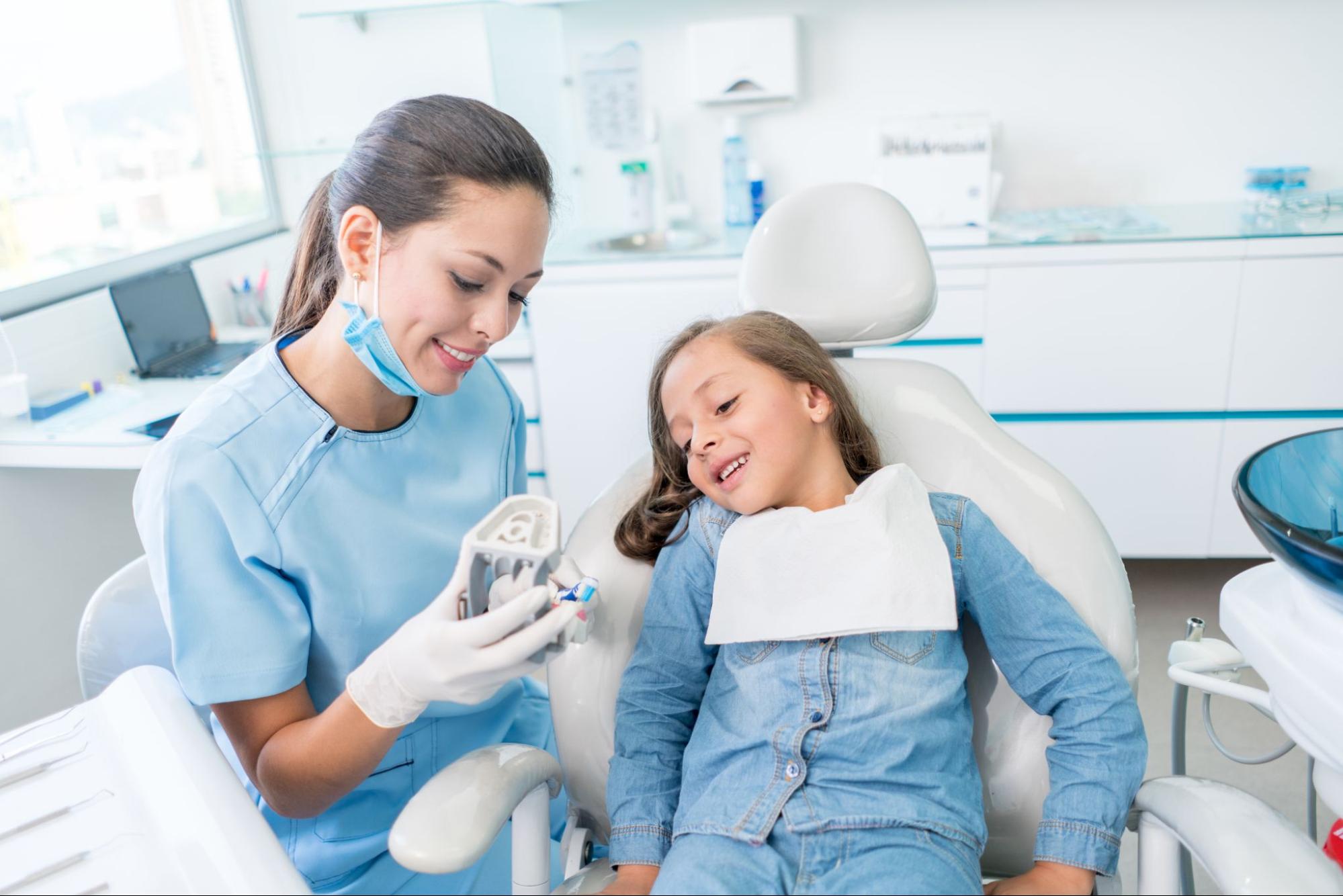
Choosing an orthodontist for your child or teen is one of those decisions that feels bigger once you start digging in. Treatment can last a year or more. Your kid will see this provider often. You want someone who’s skilled, kind, and the right fit for your family. This guide walks you through how to choose an orthodontist for your child or teen with confidence, from credentials to comfort to that first free consult.
What Is an Orthodontist and Why the Right Choice Matters
An orthodontist is a dental specialist who completes dental school (DDS or DMD) plus an additional 2-3 years of residency focused on tooth movement, bite correction, and jaw development. That extra training is what separates an orthodontist from a general dentist, and it’s why the American Association of Orthodontists (AAO) recommends choosing a specialist for braces or aligners.
Here’s how the roles differ at a glance:
- Orthodontist: Specialty training in alignment, braces, and aligners.
- Pediatric dentist: Specialty training in kids’ dental care, from cleanings to cavities.
- General dentist: Family dental care without a specialty residency.
Board certification through the American Board of Orthodontics (ABO) and active AAO membership are strong signals of ongoing expertise. Fit matters just as much. Treatment often spans 12-24 months, so rapport with your child, clear communication, and a welcoming office environment all shape the experience.
How to Evaluate and Choose the Right Orthodontist: Step-by-Step
Picking the right provider doesn’t have to feel overwhelming. Work through these six steps and you’ll have a confident answer.
- Schedule a first evaluation by age 7. The AAO recommends an initial orthodontic screening around age 7, when the first adult molars come in and bite patterns become visible. Early evaluation doesn’t always mean early treatment, it just means issues get caught sooner.
- Verify credentials. Look for a DDS or DMD plus completion of an accredited orthodontic residency. Bonus points for ABO board certification and AAO membership. Specialty orthodontic training should back every patient visit.
- Book free consults with 2-3 practices. A free orthodontic consultation lets you compare approaches without pressure. You’ll see the office, meet the team, and get a treatment opinion. Two or three visits give you a solid basis for comparison.
- Ask about treatment options and technology. Does the practice offer metal braces, clear braces, Invisalign Teen, and WildSmiles for younger kids? Ask about imaging, digital scanning, and how they minimize radiation exposure during records.
- Evaluate the office environment. Pay attention to how your child feels. Is the staff friendly? Does the space feel calm and kid-friendly? A family-oriented environment makes a huge difference over months of appointments.
- Ask what’s included in the plan. Before you commit, ask for a written treatment plan. Find out what’s included, such as retainers, follow-up visits, and emergency repairs, and how scheduling works. Transparency upfront prevents surprises later.
Benefits of Choosing the Right Orthodontist for Your Child
The right orthodontist does more than make your smile shine. They set your child up for better oral health, smoother treatment, and a confident smile that lasts well into adulthood. Here’s what you can expect when you choose carefully.
How Does the Right Orthodontist Improve Diagnosis and Treatment Planning?
A trained specialist catches subtle issues a general dentist might miss, like crossbites, impacted canines, or early jaw asymmetry. That accuracy at the start shapes everything that follows. Younger kids may benefit from Phase 1 interceptive treatment, while teens often do well with Invisalign Teen, metal braces, clear braces, or fun options like WildSmiles. The right provider matches the option to the patient, not the other way around. Tailored orthodontic solutions mean fewer compromises along the way, and a plan that reflects your child’s real anatomy and growth pattern.
Why Does Comfort and Compliance Matter So Much?
Kids who like their orthodontist wear their aligners, keep up with hygiene, and show up for adjustments. That’s not a small thing. Compliance is often the biggest predictor of great results. Experienced specialists also plan ahead, which means fewer broken brackets, fewer surprise visits, and a more predictable timeline overall. Properly aligned teeth and bites support healthier gums, easier cleaning, and a stable chewing pattern for years to come.
What About Scheduling and Continuity of Care?
Family-friendly scheduling matters when treatment stretches over many months. A locally-owned and operated practice tends to respect your time, which means less missed school and work. One more quiet benefit is continuity. When pediatric dental services and orthodontics live under one roof, Dr. Lauren Carlson and Dr. Mike can coordinate care from a child’s first cleaning through their final retainer check. Your family’s dental home stays the same as your kids grow, and records, history, and comfort travel with them from visit to visit.
Orthodontist vs. General Dentist vs. Pediatric Dentist
Not every dental provider is trained to move teeth. Here’s a side-by-side look so you know who does what, and when to choose each.
| Provider | Training | Primary Focus | Best For |
|---|---|---|---|
| Orthodontist | DDS/DMD + 2-3 year ortho residency | Tooth and jaw alignment | Braces, Invisalign Teen, bite correction |
| Pediatric Dentist | DDS/DMD + 2-3 year pediatric residency | Kids’ dental care | Cleanings, cavities, kid-friendly preventive care |
| General Dentist | DDS/DMD | Family dental care | Routine checkups, fillings, adult care |
When it comes to treatment options, you’ve got choices:
- Metal braces: Reliable and effective for nearly every case.
- Clear braces: Blend in better than metal, popular with teens and adults.
- Invisalign Teen: Removable, BPA-free aligners with built-in compliance indicators.
- WildSmiles braces: Fun shaped brackets (stars, hearts, footballs) that kids love.
A dual pediatric and orthodontic practice offers something a single-specialty office can’t: continuity. Dr. Lauren handles pediatric dental services, Dr. Mike handles orthodontics, and both coordinate so your child’s records, history, and comfort travel with them. That’s one of the reasons families stick with a true dental home for the long haul.
What to Ask Before You Commit
Ask what’s included, such as retainers, follow-up visits, and emergency repairs, so you’re comparing practices fairly.
Free orthodontic consultations are a smart first step. No pressure, just clear information you can take home and talk through with your family.
Signs Your Child or Teen Is Ready for Orthodontic Treatment
Not sure if it’s time to book a consult? Here are the signs orthodontists watch for:
- Crowded, crooked, or overlapping teeth
- Overbite, underbite, crossbite, or open bite
- Trouble chewing, biting, or speaking clearly
- Mouth breathing or lingering effects from thumb-sucking
- Jaw clicking, shifting, or visible asymmetry
- Baby teeth that fell out too early or stuck around too long
Even if everything looks fine from the outside, the AAO recommends a first orthodontic evaluation by age 7. That early look lets a specialist spot patterns before they become bigger issues, and in many cases, no treatment is needed yet. It’s just a baseline, and the visit itself is often free.
For teens, the signs are often easier to see. Crowding becomes more obvious as all the adult teeth come in, and bite issues can start affecting comfort and confidence. If your teen is self-conscious about their smile or struggling with chewing, a free consult is a good next step. Watching how your child feels about their smile at home, during photos, when they laugh with friends, often tells you as much as what you see in the mirror.
Frequently Asked Questions
At what age should my child first see an orthodontist?
The American Association of Orthodontists recommends a first orthodontic evaluation by age 7. At that age, the first adult molars have come in and bite patterns are visible, which helps the orthodontist spot developing issues early. Most kids don’t need treatment right away, but the baseline visit is valuable.
What’s the difference between an orthodontist and a dentist?
A general dentist completes dental school (DDS or DMD) and provides routine care like cleanings and fillings. An orthodontist completes dental school plus an additional 2-3 years of specialty residency focused specifically on tooth and jaw alignment. For braces or Invisalign, a specialist brings deeper training and experience.
Is Invisalign a good option for teens?
Yes, Invisalign Teen is a great option for many teens. The clear, BPA-free aligners are removable for eating and brushing, and they include built-in compliance indicators so parents and the orthodontist can track wear time. Teens who are motivated and consistent with wearing their trays often see excellent results.
How long does orthodontic treatment usually take?
Most orthodontic treatment for kids and teens takes between 12 and 24 months, though simpler cases may finish sooner and complex ones can take longer. Timing depends on the type of treatment, the issues being corrected, and how consistently your child wears aligners or follows care instructions. A personalized timeline is something you can expect at a free consult, along with a clear sense of what each phase of treatment will look like.