No, it’s not too late. Adult orthodontics has no upper age limit, and healthy teeth and gums matter far more than the number on your driver’s license. Teeth move at 15 and at 55 because the bone around them keeps remodeling for life. If your gums are stable, braces or aligners can still do their work.

Is It Ever Too Late to Get Braces?
Is it too late to get braces? We hear that question constantly at Shine Pediatric Dentistry & Orthodontics, and the answer tends to be a relief. The American Association of Orthodontists reports that adults now make up a sizable share of orthodontic patients nationwide. At our own practice, one in every five new patients is over the age of 18, so adult braces are far from unusual around here.
Most adults come in with one of four concerns:
- Crowding that makes flossing a daily wrestling match
- Spacing or gaps that have widened over the years
- Bite issues like an overbite, underbite or crossbite
- Relapse after childhood braces, usually from retainers that quietly disappeared
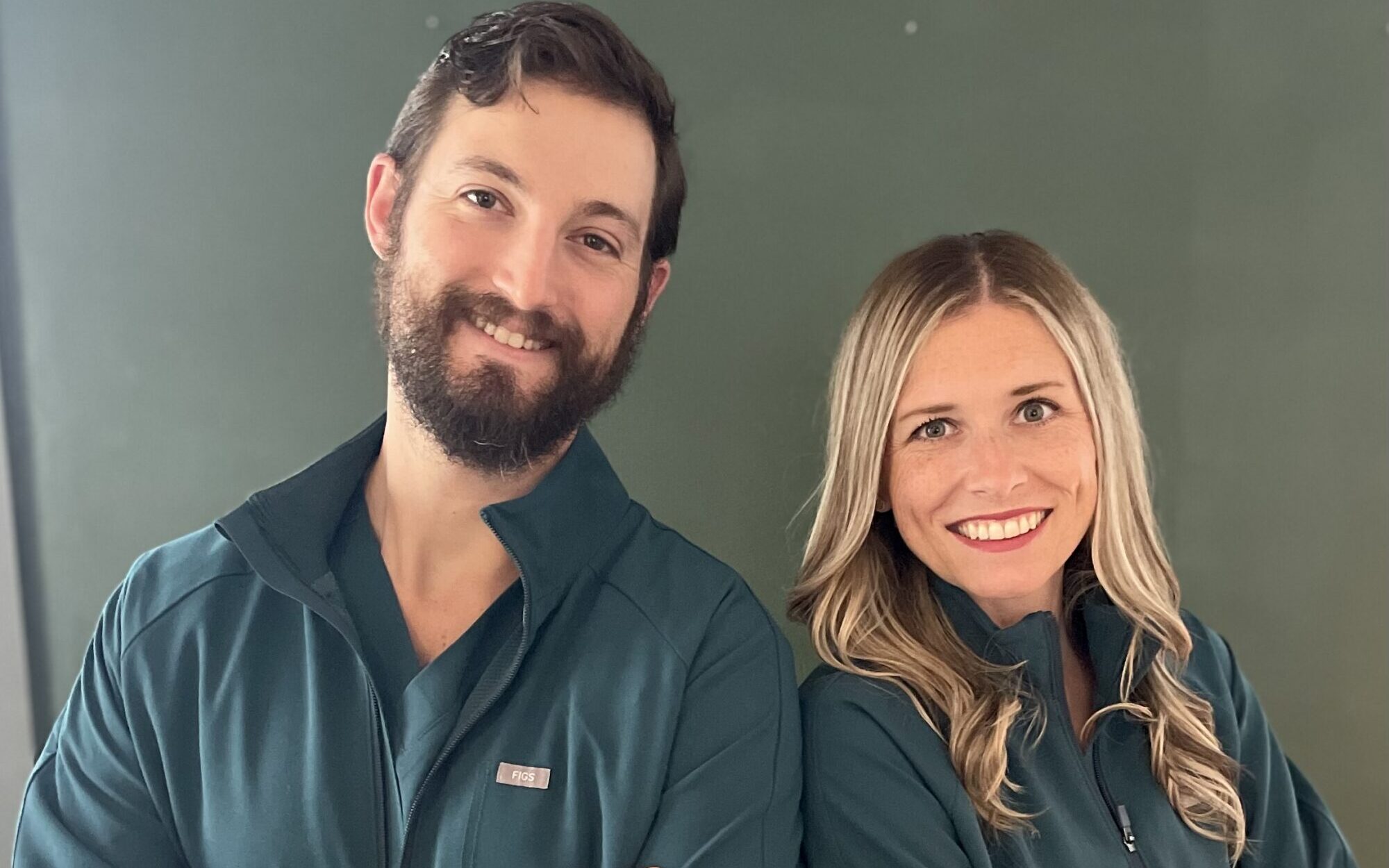
Dr. Michael Seelig (Dr. Mike), our orthodontic specialist, leads every orthodontic case here and sees all four of these regularly. Adults are often his most motivated patients. They know exactly what they want to change, and they show up ready.
How Does Adult Orthodontic Treatment Work?
Adult orthodontic treatment follows five stages: a free consult with digital records, a written treatment plan, appliance placement, regular adjustments every 4 to 8 weeks, and retainers to hold the result. Most adults finish in 12 to 24 months, though simple cases move faster and complex bites take longer.
Here’s what each stage looks like.
- Free orthodontic consultation. Dr. Mike examines your teeth, gums and bite, then takes digital X-rays and photos. This visit is where you get real answers about what’s possible.
- Your treatment plan. You’ll see a simulation of how your teeth will move and review your tailored orthodontic solutions side by side. Timeline and appliance choice get covered here, and we’ll answer every question you have before you commit to anything.
- Appliance placement. For braces, brackets are bonded to the front of each tooth and connected with an archwire. For Invisalign, you’ll pick up your first set of trays and learn the wear schedule.
- Adjustments or tray changes. Braces patients come in every 4 to 8 weeks for wire changes. Aligner patients swap trays at home on schedule and check in periodically so Dr. Mike can confirm the teeth are tracking correctly.
- Retainers. Once your teeth are where they belong, retainers keep them there. This step isn’t optional, and we’ll talk more about why below.
One extra step matters for adults specifically. Gum health and any pending restorative work get handled first. Moving teeth through inflamed gum tissue or unstable bone creates trouble, so Dr. Mike coordinates with your general dentist before brackets go on. Same goes for a crown or filling that needs attention. Because Shine Pediatric Dentistry & Orthodontics is a dual-specialty dental home, that coordination happens under one roof whenever we can manage it.
Benefits of Straightening Your Teeth as an Adult
Straight teeth look great. They also work better, which is the part most adults appreciate once treatment wraps up.
What Health Benefits Come With Adult Orthodontics?
- Cleaning gets easier. Overlapped teeth trap plaque in spots a toothbrush can’t reach. Aligned teeth are simpler to brush and floss, which lowers your risk of decay and gum disease over the long haul.
- Your bite stops working against you. When teeth meet unevenly, some take more force than they should. That leads to flattened edges, chipped enamel and jaw muscle strain. Correcting the bite spreads the load.
- Chewing and speech improve. A significant open bite or crossbite affects how you break down food and how certain sounds come out. Both often improve as the bite closes properly.
These are the changes that keep paying off years after the brackets come off, which is why so many adults tell us they wish they had started sooner.
How Do Adult Braces Fit Into Everyday Life?
- Discreet choices exist. Clear braces and Invisalign let you go through treatment without announcing it in every meeting or family photo.
- Confidence follows. Adults tell us they smile more freely in presentations, in photos, at their kid’s graduation. That shift is hard to measure, but you notice it.
There’s a bonus for parents. When your little ones watch you wear aligners or get your wires changed, orthodontic care stops feeling like something scary. It just becomes a normal part of taking care of yourself.

Adult vs. Teen Orthodontics: What’s Different?
The mechanics are the same. Steady, gentle pressure moves teeth into better positions. What changes is the biology and the context around it.
Do Adults Respond to Braces Differently Than Teens?
Growth. Teens still have active jaw growth, so Dr. Mike can guide how the jaws develop and use appliances that take advantage of that window. Adult jaws are finished growing. That means adult plans focus on moving teeth within the existing bone, and a small number of cases with significant jaw discrepancies call for a referral to an oral and maxillofacial specialist.
Treatment time. Adult bone is denser and remodels a bit more slowly, so comparable cases often run somewhat longer than they would for a 14-year-old.
Complexity. Adults arrive with dental history. Missing teeth, crowns, bridges, implants, worn enamel, some bone loss. None of that automatically rules out treatment, but it does shape the plan. Implants don’t move, for instance, so they become fixed reference points to plan around.
Compliance. Here’s where adults win. Aligner wear and elastic wear depend entirely on the patient, and adults who chose this for themselves tend to follow through consistently.
What Are the Adult Orthodontics Options at a Glance?
| Option | Appearance | Works Best For | Notes for Adults |
|---|---|---|---|
| Metal braces | Small, modern brackets, lighter than older versions | Nearly all cases, including complex bites | Most predictable for tough rotations and complex bites |
| Clear braces | Tooth-colored brackets that blend in | Most cases where visibility is a concern | Popular with working adults; slightly more attention needed to avoid staining foods |
| WildSmiles braces | Shaped brackets (stars, hearts, footballs) | Anyone who wants personality in their braces | Designed with kids in mind, but adults choose them too; pad design keeps plaque off the tooth surface |
| Invisalign | Clear removable trays | Mild to moderate crowding, spacing and many bite corrections | Removable for meals and events; requires 20 to 22 hours of daily wear; made from comfortable, BPA-free plastic |
What Determines Your Adult Treatment Plan?
Two factors shape an adult treatment plan more than anything else: how complex your case is and how long treatment runs. A minor front-tooth correction and a full bite correction sit at very different ends of the scale. Appliance type and any prep work needed beforehand fill in the rest of the picture.
Here’s what goes into the plan:
- Case complexity and length. More movement means more visits, more materials and more chair time.
- Appliance type. Metal braces, clear braces and clear aligners each fit different bites and lifestyles.
- Pre-treatment work. Extractions, periodontal therapy or restorative repairs get factored in, though these are usually handled through your general dentist or a specialist.
- Retainers and follow-ups. Most treatment plans include your retainers and post-treatment checks.
We won’t give you a plan over the phone, and you shouldn’t trust anyone who does. An accurate plan requires an exam and X-rays. Our free orthodontic consultation is where you get real answers, no obligation attached, and the team at Shine Pediatric Dentistry & Orthodontics will walk you through every question you have.
Are You a Good Candidate for Adult Orthodontics?
Most adults qualify. The requirements for adult orthodontics are straightforward: healthy gums, stable bone support around the teeth, and no untreated decay. Age itself isn’t a factor.
Concerns that typically qualify for treatment:
- Crowded or overlapping teeth
- Gaps and spacing
- Overbite, underbite or crossbite
- Teeth that shifted after childhood braces
- Uneven wear caused by an off bite
Things that don’t disqualify you:
Existing crowns, bridges, veneers and implants usually work fine within a treatment plan. Dr. Mike simply designs around them. A missing tooth can sometimes be closed with orthodontics or the space can be prepared for a future implant.
Things to address first:
Active gum disease needs to be under control before teeth start moving. Heavy grinding or clenching also deserves attention, since it affects both treatment and how well results hold afterward. Untreated cavities get restored before brackets go on. None of these are permanent roadblocks. They’re just first steps.
The only way to know for certain is an exam. Our free consult includes digital records and a straight answer from Dr. Mike, an orthodontist who handles adult cases every week, about whether now is the right time.
Your Smile Journey Starts Here
Adults make up a meaningful share of the orthodontic patients we see, and we genuinely enjoy treating them. Shine Pediatric Dentistry & Orthodontics is a dual-specialty practice, which means Dr. Lauren Carlson handles pediatric dentistry while Dr. Mike, an orthodontic specialist, manages every orthodontic case from start to finish. You’ll see your doctor at each visit, not a rotating staff member.
We’re locally-owned and operated, and our free orthodontic consultation carries no strings. Come see what’s possible.
Families and adults of every age are welcome to schedule a free consult whenever you’re ready. Take a look at our before & afters first if you’d like to see the work.
Frequently Asked Questions About Adult Braces
Am I too old for braces at 40, 50 or 60?
No. Orthodontists routinely treat patients in their forties, fifties, sixties and beyond. What matters is the health of your gums and the bone supporting your teeth, not your age. Plenty of adults finish treatment decades after they first considered it.
How long does adult orthodontic treatment take?
Most adult cases run 12 to 24 months. Minor corrections, like closing a single small gap or straightening a few front teeth, can finish in well under a year. Full bite corrections and cases involving significant crowding take longer. Dr. Mike gives you a realistic estimate at your consult, based on your actual X-rays.
Do braces hurt more as an adult?
Not more than for a teen. Expect some tenderness for a few days after brackets are placed and mild soreness after adjustments, similar to sore muscles after a workout. Soft foods and over-the-counter relief handle it easily. Aligner patients usually report a snug pressure for a day or two after switching trays.
Can I get Invisalign instead of metal braces?
Often, yes. Invisalign handles many adult cases, including crowding, spacing and a number of bite corrections. Some situations, like severe rotations or significant bite discrepancies, respond better to braces. Dr. Mike reviews your records and tells you honestly which option will get you the better result.
Will braces work if I had them as a kid and my teeth shifted?
Yes, and this is one of the most common reasons adults come back. Teeth drift over time when retainers stop being worn. Second-round treatment is frequently shorter and simpler than the first, since the underlying bite issues were usually corrected years ago. Expect a serious conversation about retainers this time.
Do I have to wear a retainer forever?
Essentially, yes, though the commitment lightens up. Most patients wear retainers full time briefly, then shift to nights only. Teeth have a lifelong tendency to drift, so nighttime wear a few times per week is what keeps your result stable. It’s a small habit that protects everything you invested.